Aunty Boobs Show And Sex Target Free — Reshma Hot Mallu

For the uninitiated, the phrase "Malayalam cinema" might simply evoke images of tropical backwaters, vibrant Onam festivals, or the occasional viral meme featuring actor Mohanlal. But for those who understand its depth, the film industry of Kerala, India—lovingly nicknamed "Mollywood"—is far more than an entertainment machine. It is a living, breathing chronicle of the state’s political evolution, social anxieties, linguistic pride, and radical humanism.

Malayalam cinema, born in 1928 with the silent film Vigathakumaran , quickly realized it could not rely on the formulaic song-and-dance routines of Bollywood or the grandiose mythologies of Tamil cinema. The Malayali audience, armed with newspapers, literary magazines, and a voracious appetite for political debate, demanded realism. Thus, a cinematic culture was born that prioritized script over star power—at least until the rise of the "big Ms" (Mohanlal and Mammootty) in the 1980s. The 1970s and 80s are often cited as the golden age of Malayalam cinema, led by visionary directors like Adoor Gopalakrishnan, G. Aravindan, and John Abraham. This was the era of parallel cinema , where the camera turned inward to examine the crumbling feudal structures and the rise of the communist middle class. reshma hot mallu aunty boobs show and sex target free

The result was explosive. Suddenly, Malayalam cinema was the most audacious in India. We saw Joji (2021), a shameless Macbeth adaptation set in a rubber plantation, exploring feudal greed without a single song. We saw Nayattu (2021), a relentless thriller about three police officers on the run, which doubled as a scathing critique of the state's custodial violence and electoral politics. For the uninitiated, the phrase "Malayalam cinema" might

Films like Bangalore Days (2014) captured the non-resident Malayali (NRK) experience—the aching nostalgia for puttu and kadala , the suffocation of joint families, and the freedom of urban anarchy. Meanwhile, Maheshinte Prathikaaram (2016) reduced a "revenge drama" to a story about a studio photographer waiting for the right moment to slap a guy back—a brilliantly mundane take on honor. Malayalam cinema, born in 1928 with the silent
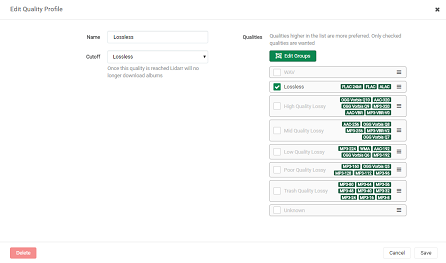
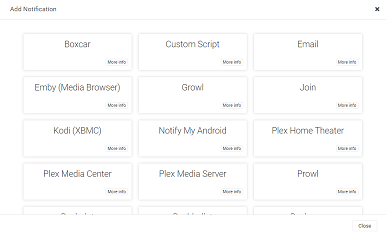
Notifications and fully customizable quality profiles.

reshma hot mallu aunty boobs show and sex target free reshma hot mallu aunty boobs show and sex target free
reshma hot mallu aunty boobs show and sex target free reshma hot mallu aunty boobs show and sex target free reshma hot mallu aunty boobs show and sex target free

Multiple Movie views.

reshma hot mallu aunty boobs show and sex target free reshma hot mallu aunty boobs show and sex target free

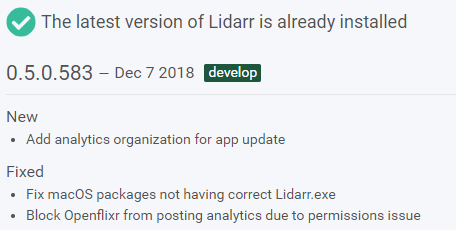
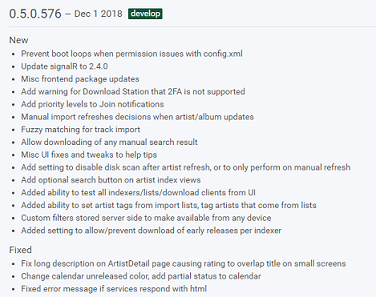
Frequent updates. See what's new without leaving the comfort of the app.

Summary

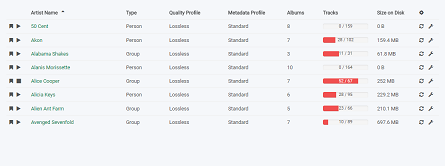
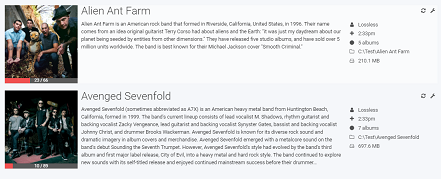
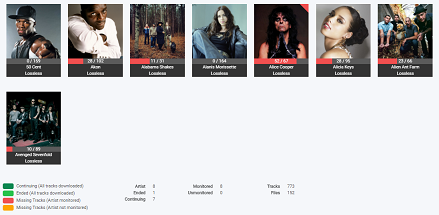
Lidarr is a music collection manager for Usenet and BitTorrent users. It can monitor multiple RSS feeds for new albums from your favorite artists and will interface with clients and indexers to grab, sort, and rename them. It can also be configured to automatically upgrade the quality of existing files in the library when a better quality format becomes available.

Features

reshma hot mallu aunty boobs show and sex target free

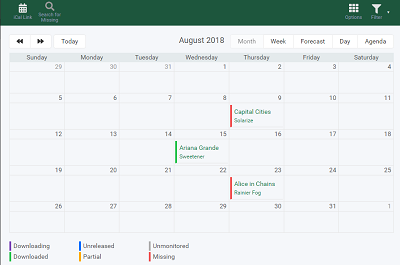
Calendar

See all your upcoming albums in one convenient location.

reshma hot mallu aunty boobs show and sex target free

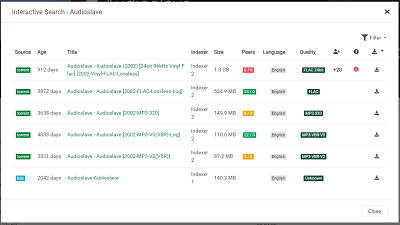
Manual Search

Find all the releases, choose the one you want, and send it right to your download client.

reshma hot mallu aunty boobs show and sex target free

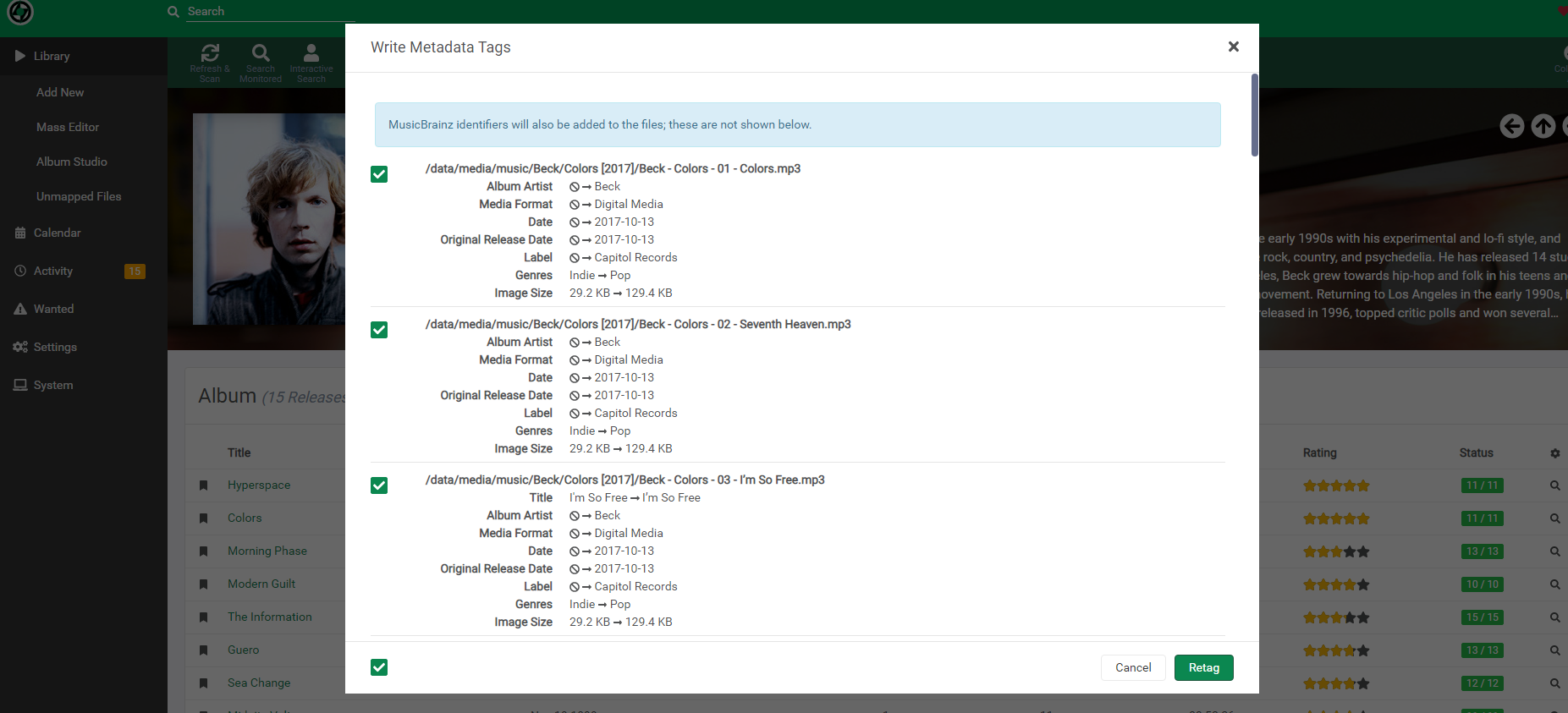
Metadata Writing

Metadata tags a mess? No problem. Lidarr will whip your current library into shape and ensure any new music is tagged correctly and uniformly.

reshma hot mallu aunty boobs show and sex target free

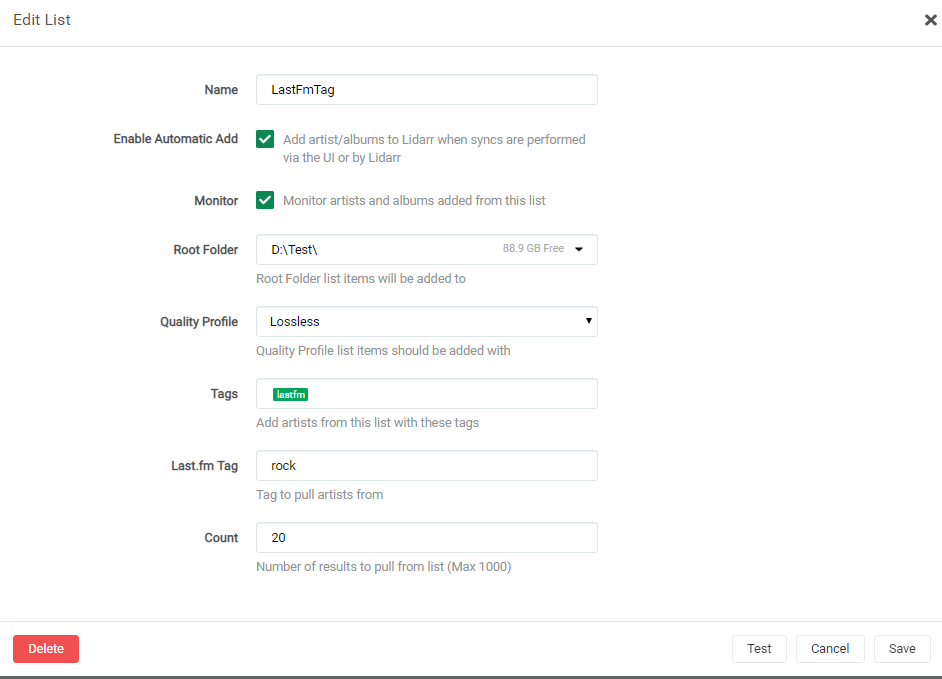
Import Lists

Follow your favorite artists or top 20 albums using import lists. Lists can be used from supported services like Last.FM and Headphones.

For the uninitiated, the phrase "Malayalam cinema" might simply evoke images of tropical backwaters, vibrant Onam festivals, or the occasional viral meme featuring actor Mohanlal. But for those who understand its depth, the film industry of Kerala, India—lovingly nicknamed "Mollywood"—is far more than an entertainment machine. It is a living, breathing chronicle of the state’s political evolution, social anxieties, linguistic pride, and radical humanism.

Malayalam cinema, born in 1928 with the silent film Vigathakumaran , quickly realized it could not rely on the formulaic song-and-dance routines of Bollywood or the grandiose mythologies of Tamil cinema. The Malayali audience, armed with newspapers, literary magazines, and a voracious appetite for political debate, demanded realism. Thus, a cinematic culture was born that prioritized script over star power—at least until the rise of the "big Ms" (Mohanlal and Mammootty) in the 1980s. The 1970s and 80s are often cited as the golden age of Malayalam cinema, led by visionary directors like Adoor Gopalakrishnan, G. Aravindan, and John Abraham. This was the era of parallel cinema , where the camera turned inward to examine the crumbling feudal structures and the rise of the communist middle class.
The result was explosive. Suddenly, Malayalam cinema was the most audacious in India. We saw Joji (2021), a shameless Macbeth adaptation set in a rubber plantation, exploring feudal greed without a single song. We saw Nayattu (2021), a relentless thriller about three police officers on the run, which doubled as a scathing critique of the state's custodial violence and electoral politics.

Films like Bangalore Days (2014) captured the non-resident Malayali (NRK) experience—the aching nostalgia for puttu and kadala , the suffocation of joint families, and the freedom of urban anarchy. Meanwhile, Maheshinte Prathikaaram (2016) reduced a "revenge drama" to a story about a studio photographer waiting for the right moment to slap a guy back—a brilliantly mundane take on honor.

Support