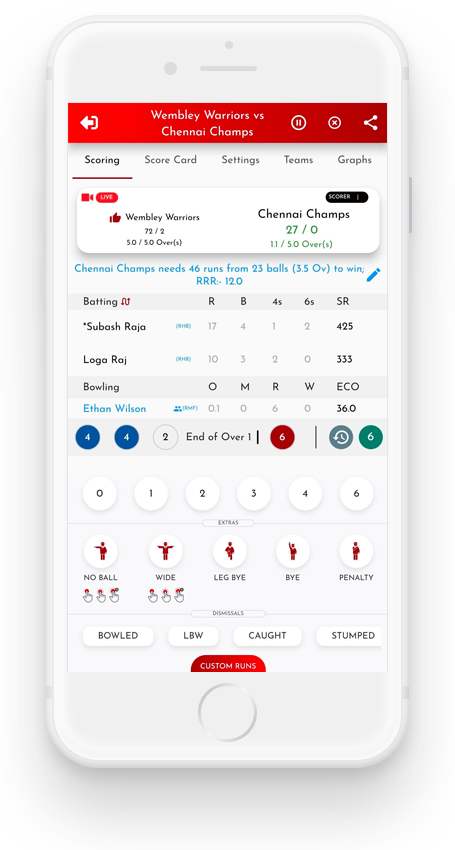
Ultimate Cricket tracking and scoring app for all cricketers.
Track and improve your game with the Vtrakit app right from your
smartphone or tablet. Bring your game to the next level with
Vtrakit!
Vtrakit is about helping Cricketers bring
together their passion, practice and performance.

Vtrakit’s mobile-based app is designed to be user friendly so that anyone can start using it to score games, capture cricketing stats and practice sessions. You could be playing village Cricket, gully Cricket, club Cricket or professional Cricket - you can use Vtrakit to improve your performance, elevate your game and experience Cricket in a whole new way.
Vtrakit App is full of unique features that you can explore to transform your cricketing experience. In addition to scoring games and keeping track of your Cricket stats, you can also connect to other players, capture your practice sessions and create tournaments. Watch the video to get a sneak preview of the Vtrakit App.

Live capture ball-by-ball score of your match with the Vtrakit App & download your scorecard in PDF

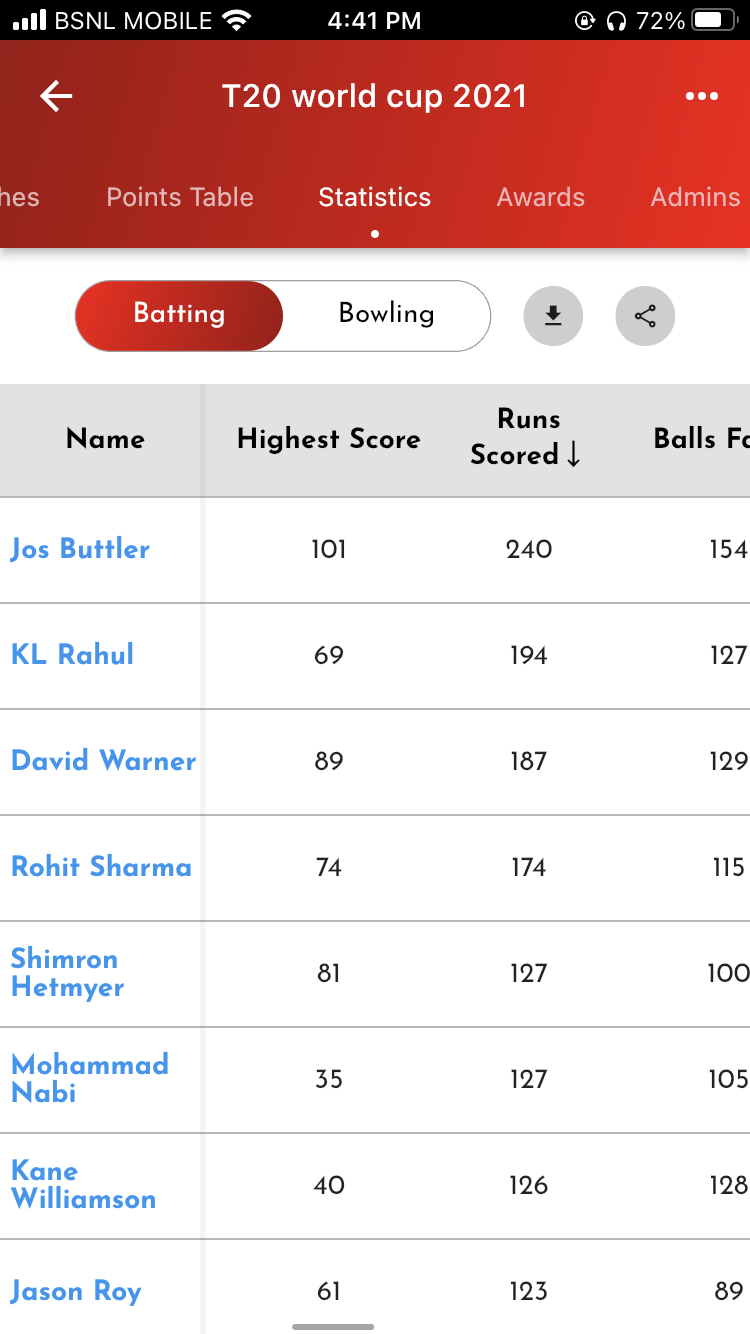
Organize tournaments, schedule matches, see tournament stats, points table and much more

Scoring no longer has to fall to one person, transfer scoring to another user during a match within seconds

Relive your shots and deliveries with Pitch Map and Wagon Wheel

Track all your practice hours (batting, bowling, fielding and wicket keeping) by capturing it

You can log your fitness hours and see your progress in real-time.

One of the best apps for cricket scoring. Recent updates make the app more valuable specially the offline scoring feature. Really loving the User experience and overall performance so far. Good luck to the team for future releases.

Great scoring app. Like the community section where I can follow my favourite local cricketers. League organisers would love the tournament section.

Simply simple, yet brilliant!! Came across this app by chance and am totally amazed at the features on it. Great job you guys! Keep rocking.. PS: The scoring system in the app is my fav! Damn cool stuff!

A Masterpiece. This app is exceptionally good. If you love cricket, you'll definitely love this app. I have been waiting for a proper cricket scoring app for many years. and this fulfilled my wishes in every way possible.

This is a one stop destination for any cricket lover out there, it's got an easy to use UI, amazing features and overall an enhanced cricketing experience. My personal favorite is how it allows you to capture your practice sessions and witness your growth, pushing you to do better everyday!

Really GREAT Cricket scoring app ever seen, It is fascinating to do scoring using this app...ability to download scorecard in pdf format for every match is mindblowing. Kudos to the entire team.
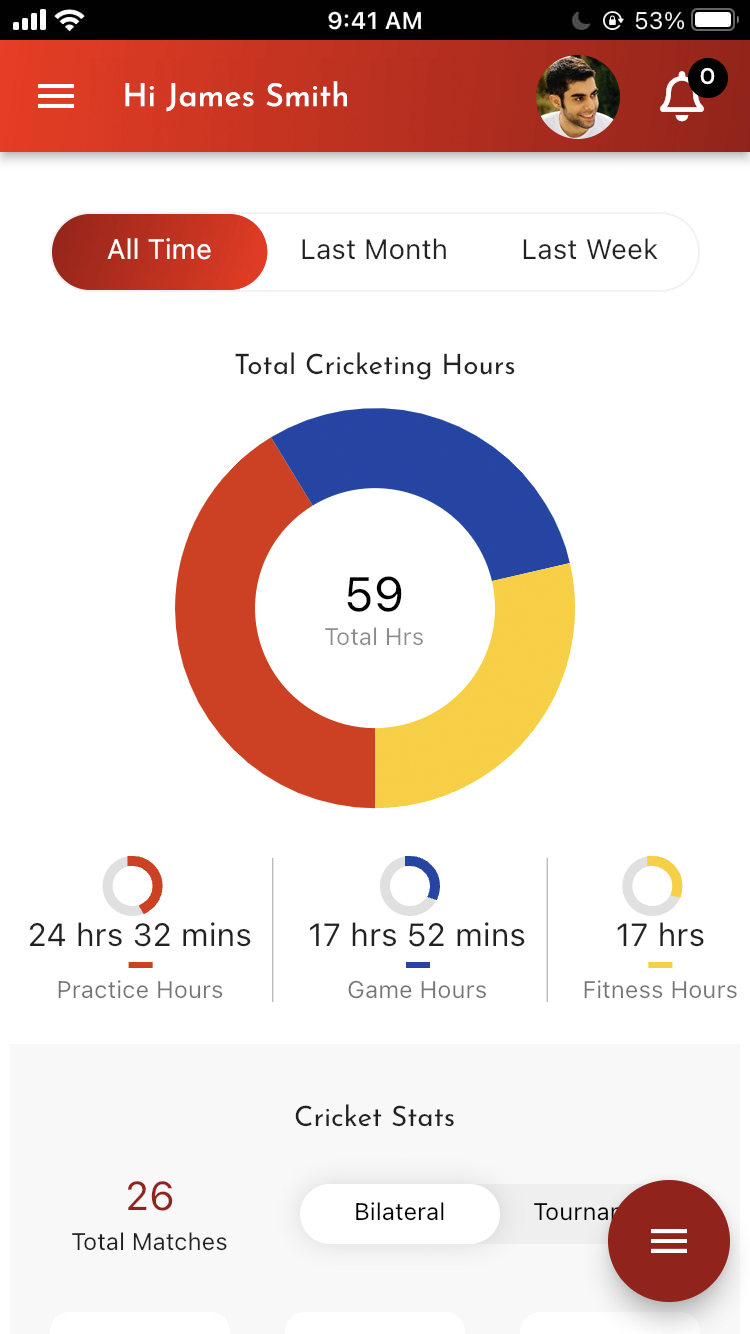
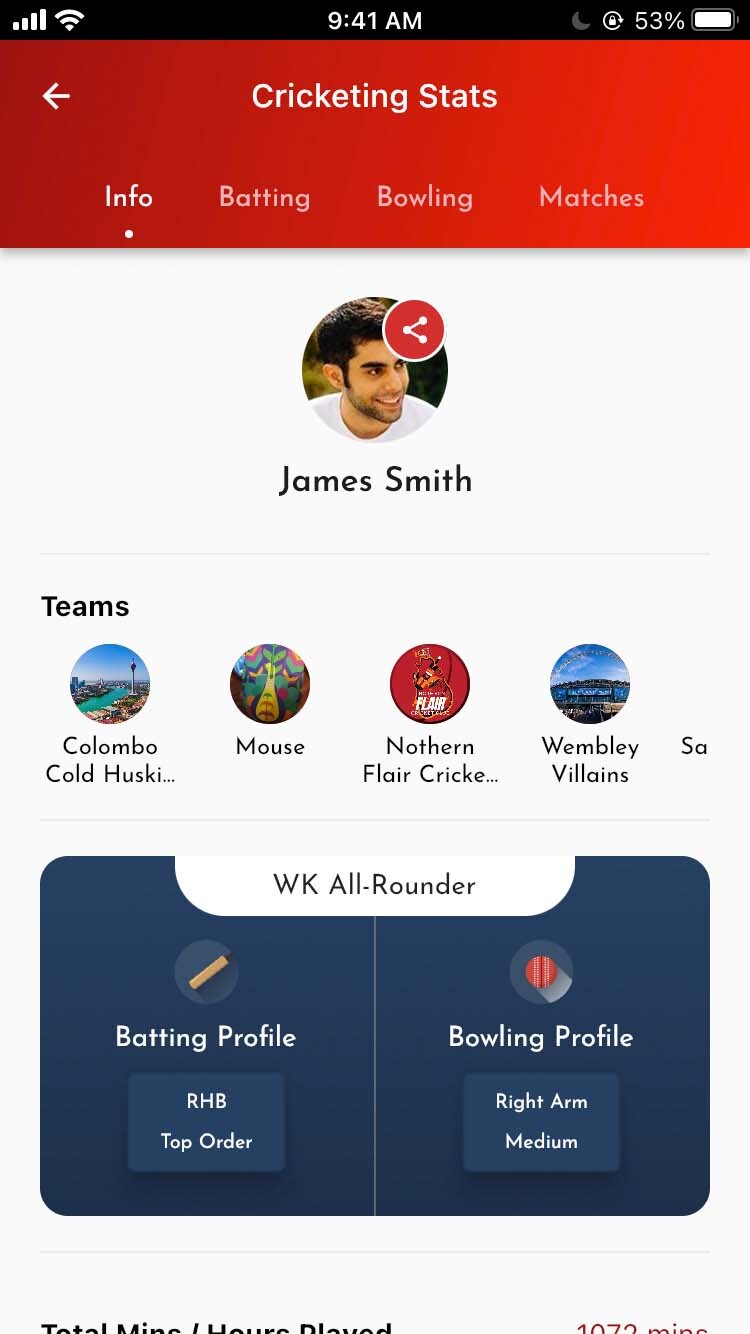
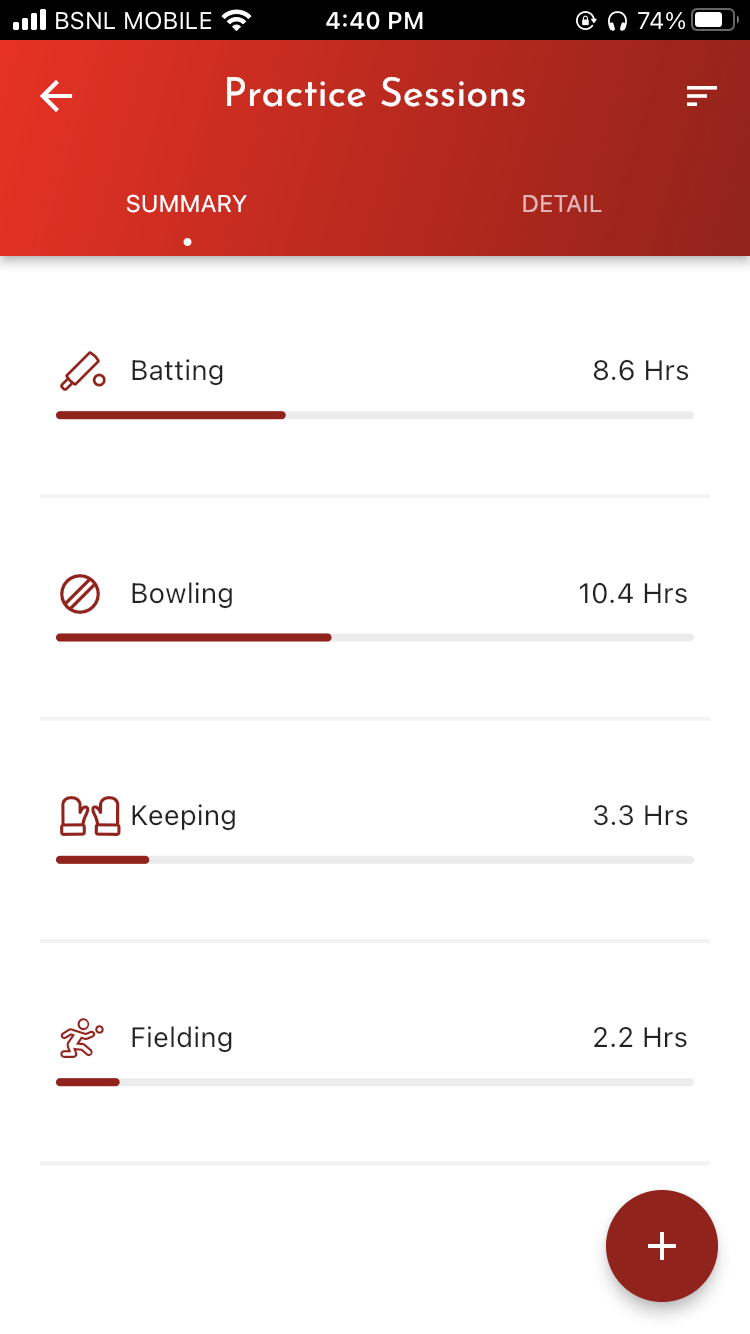
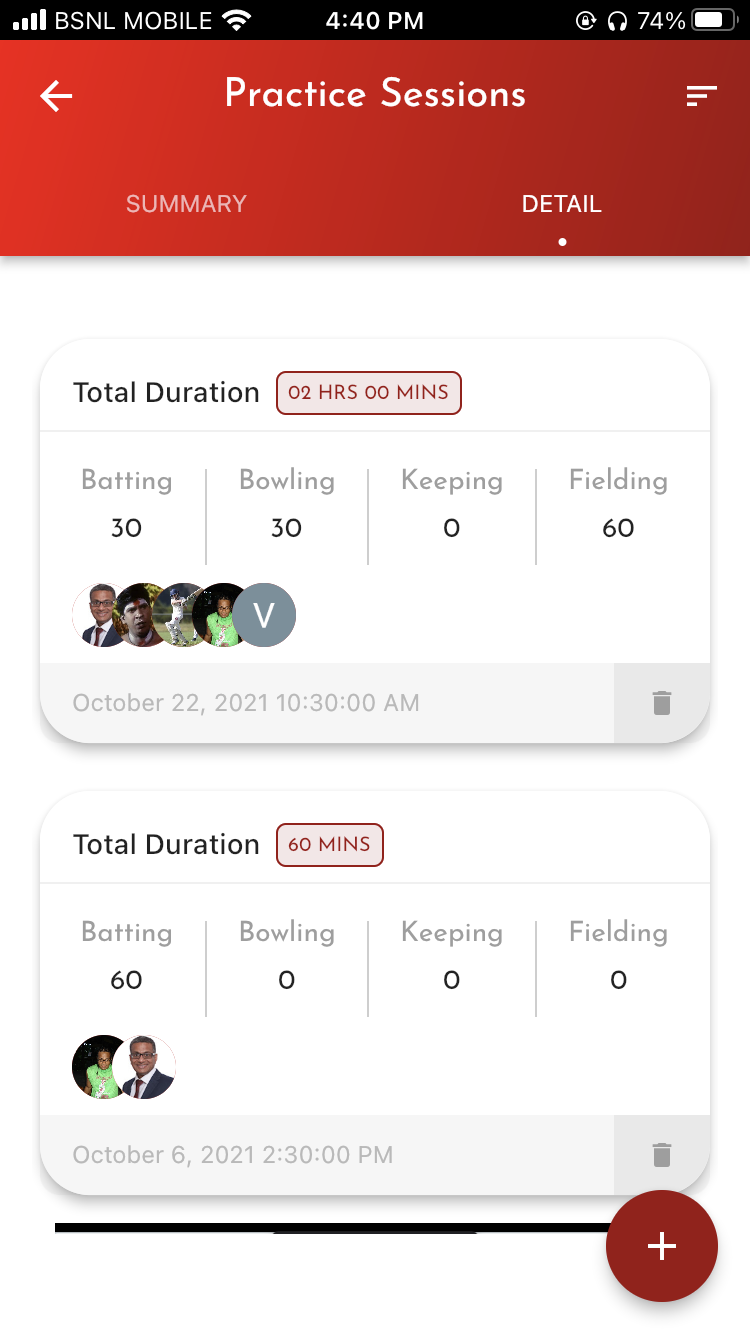
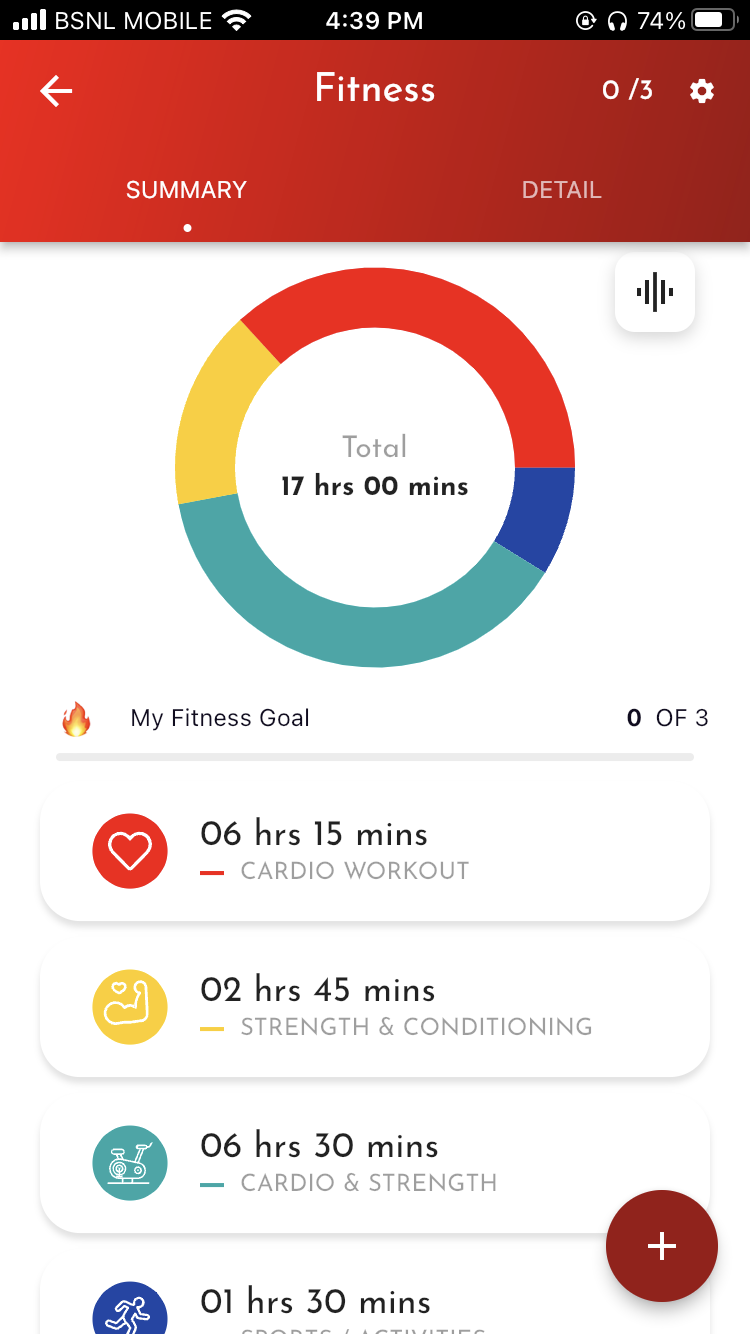
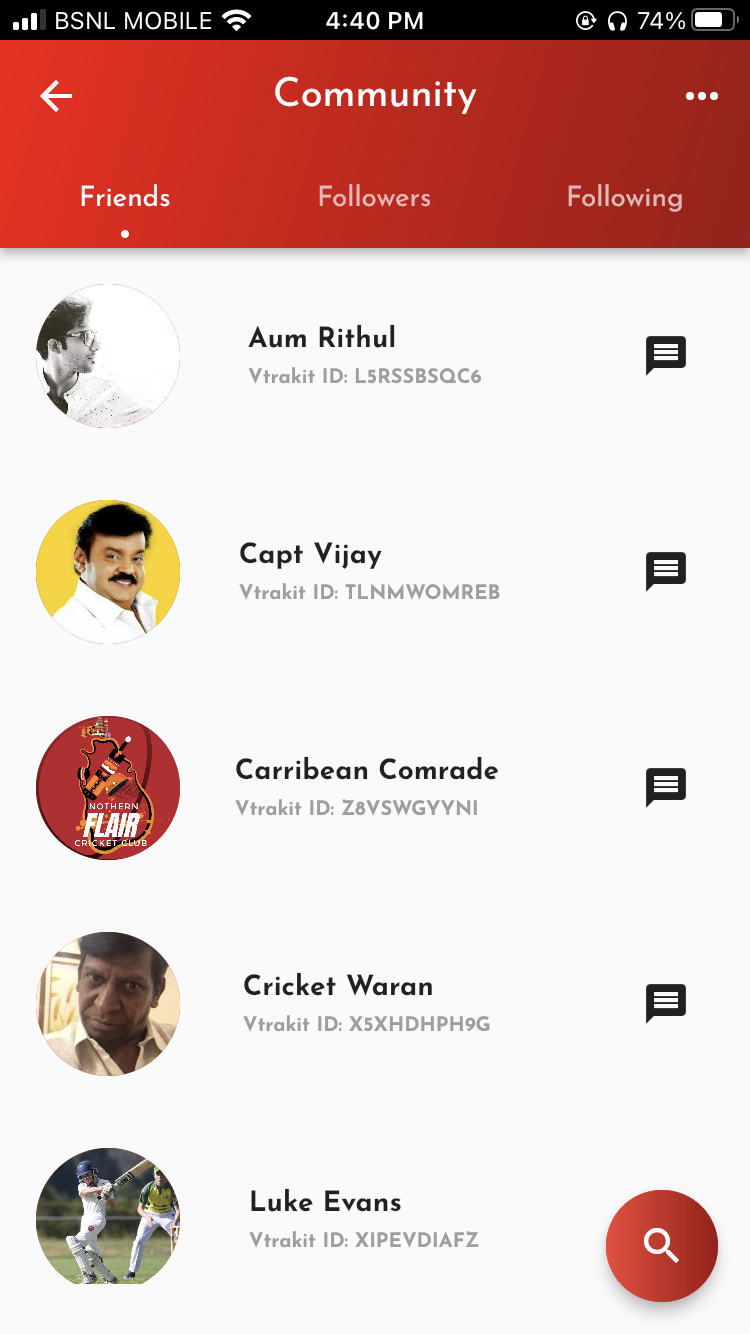
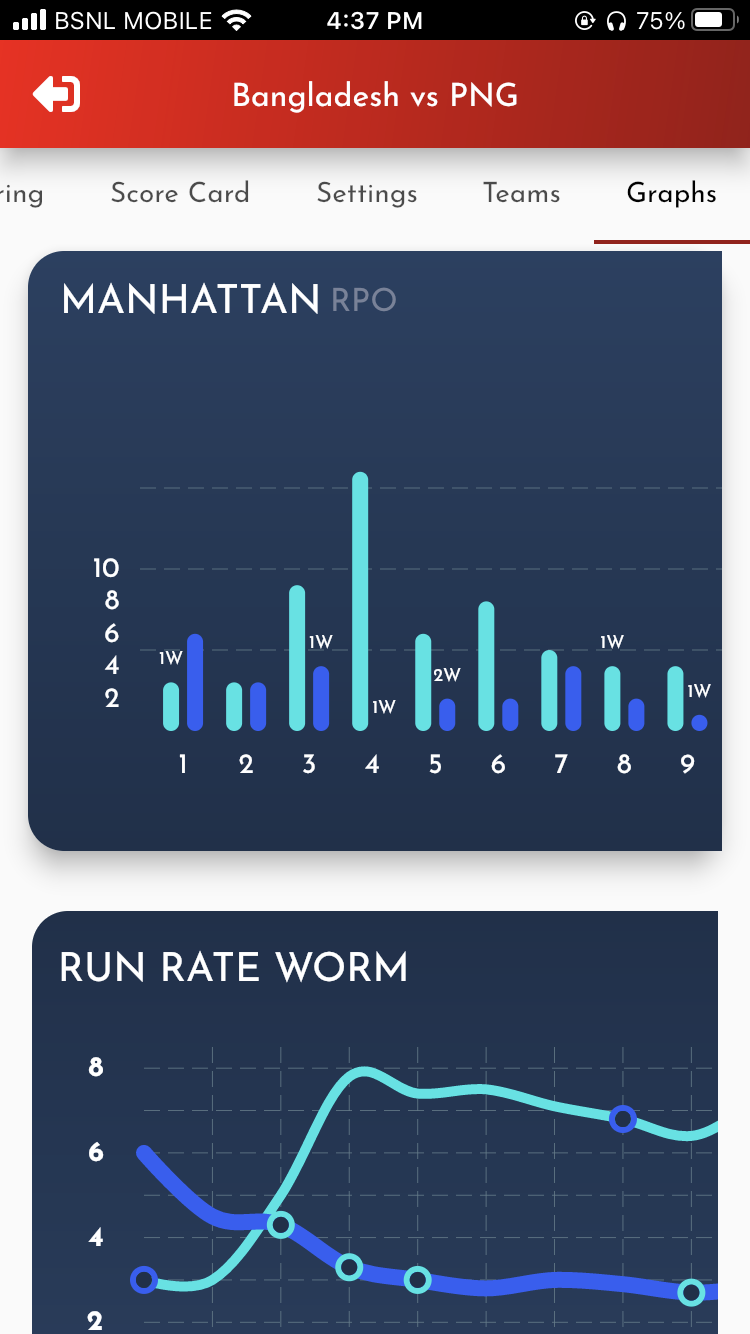
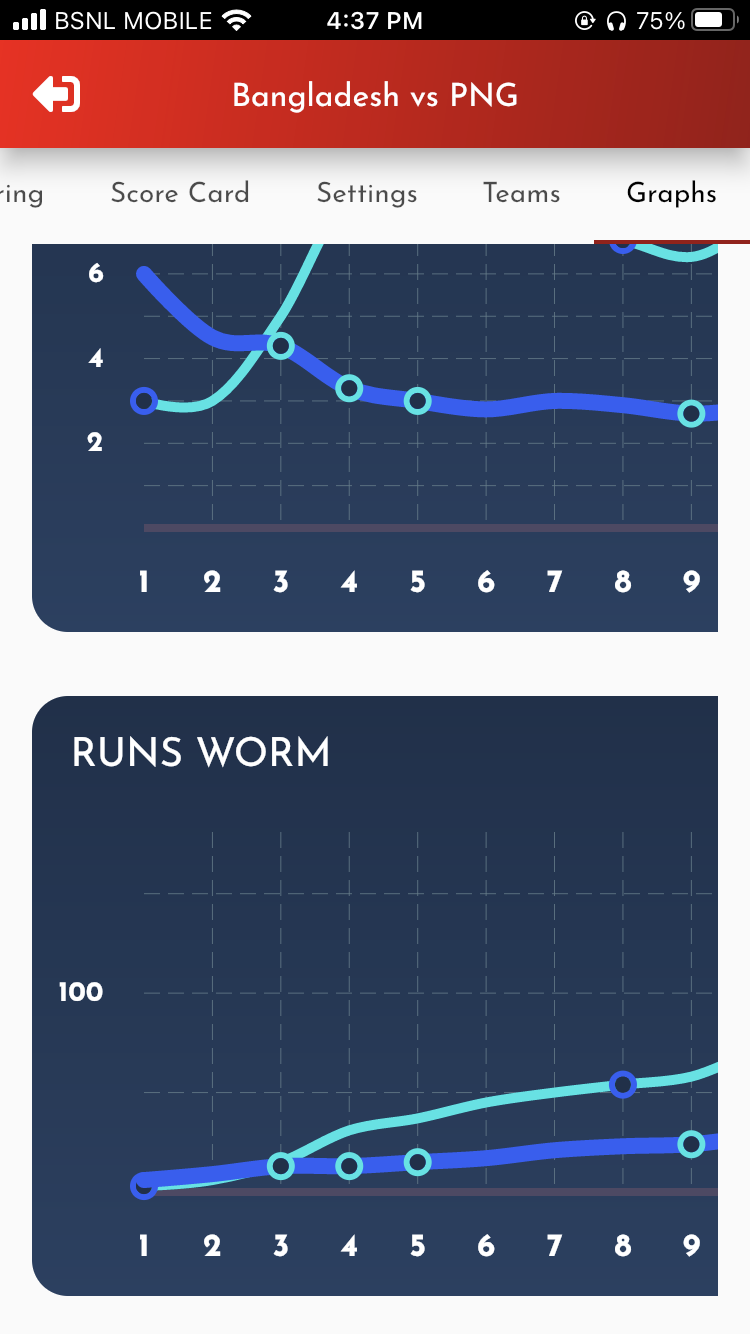
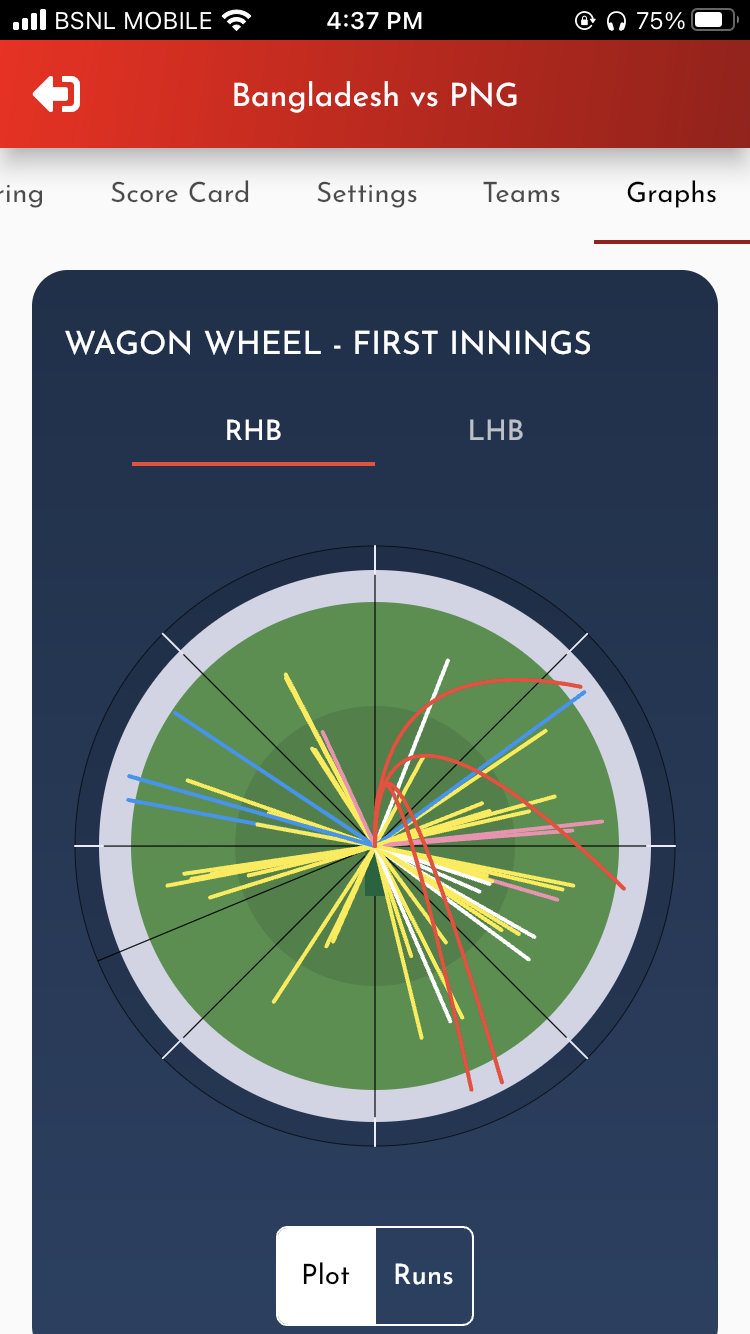
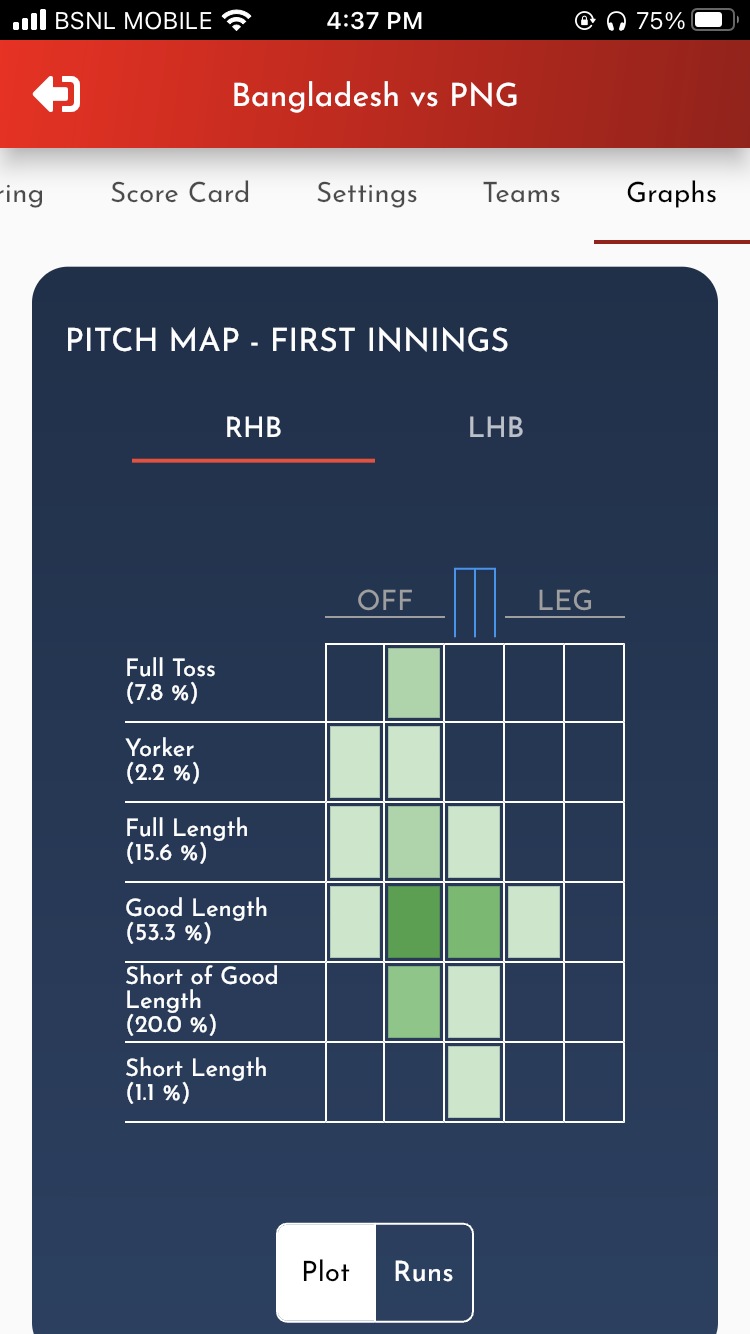
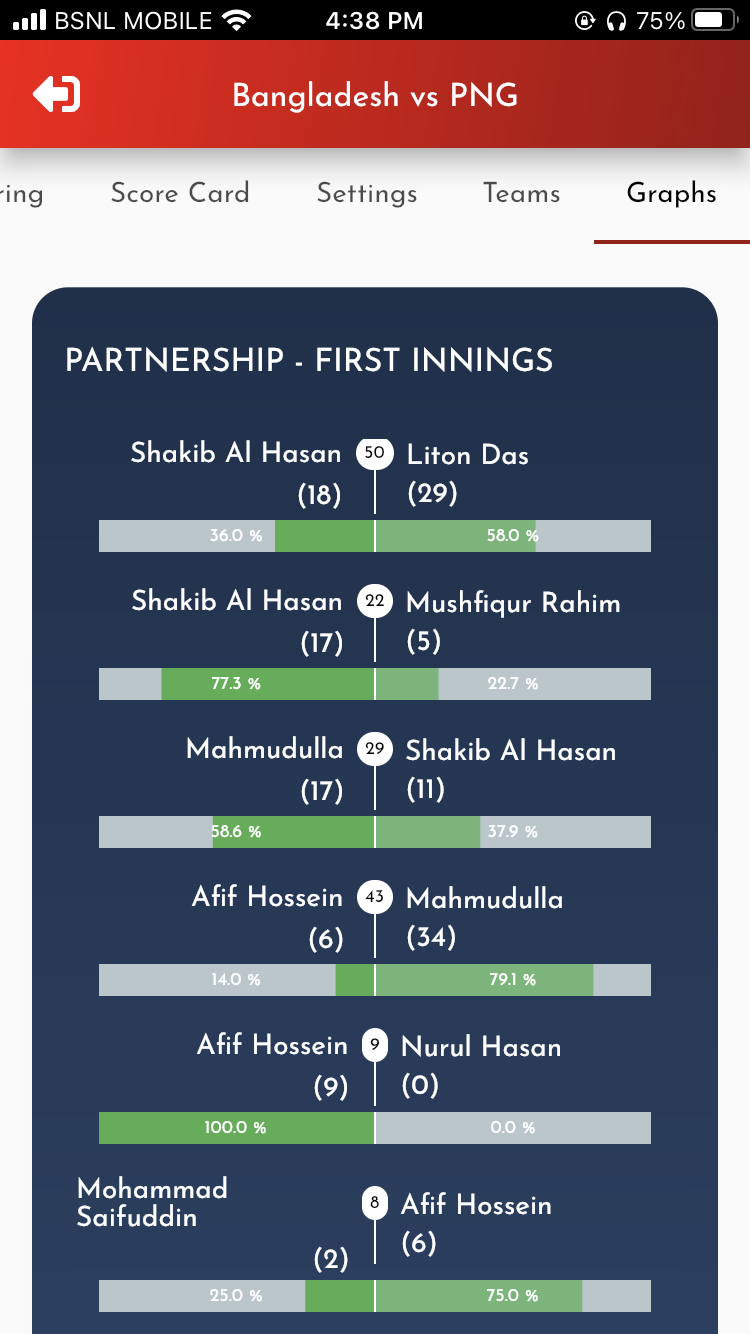
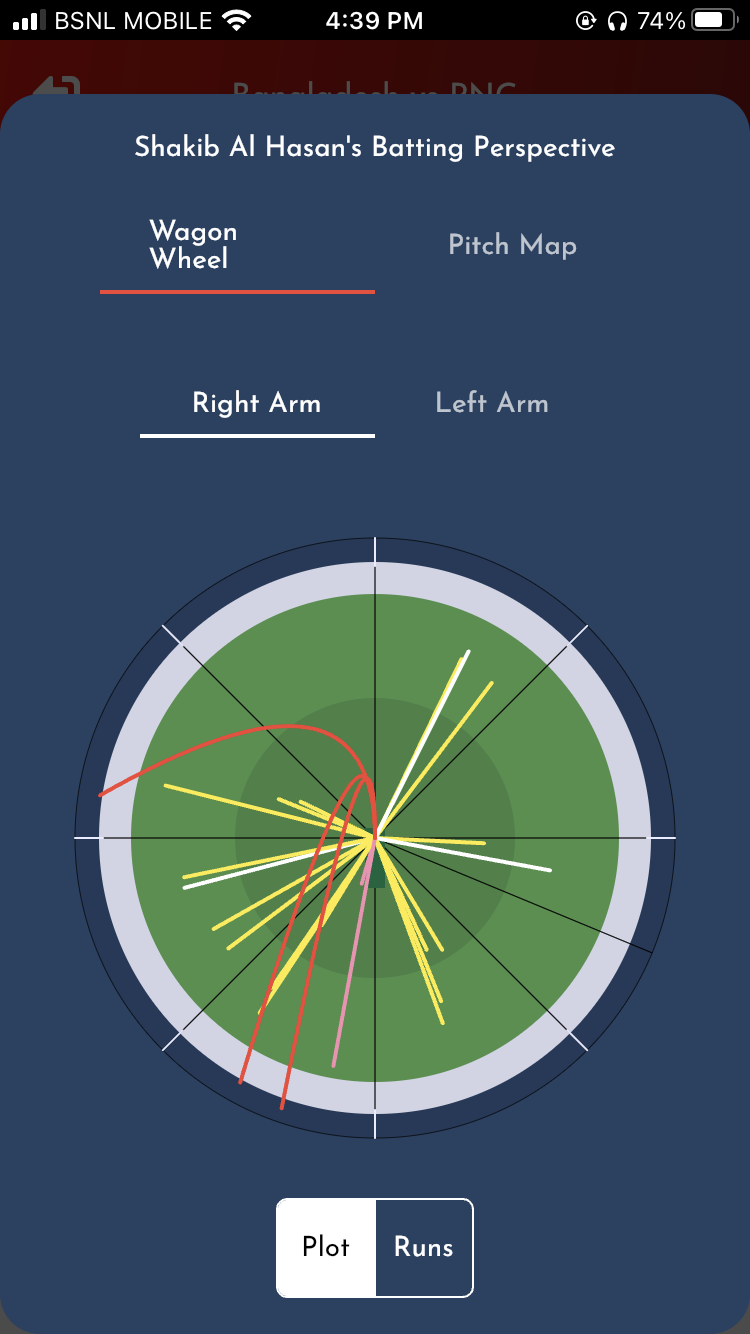
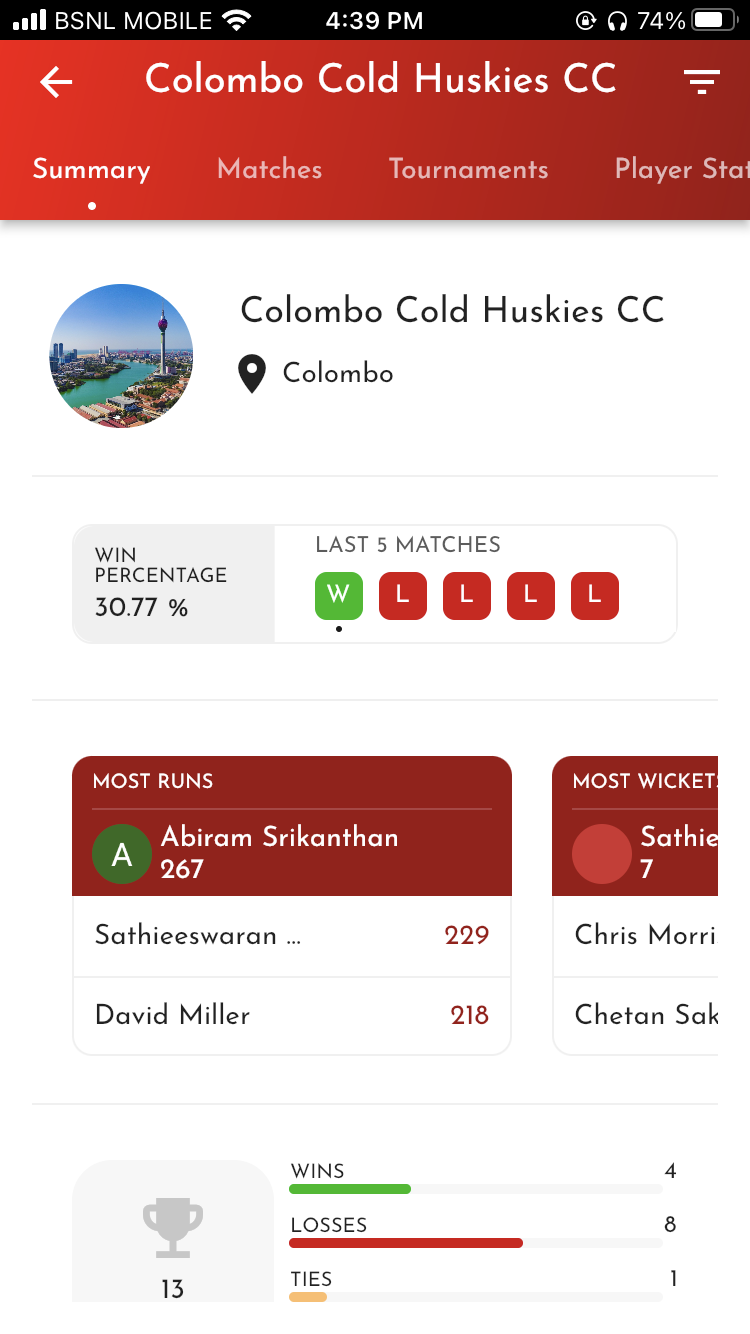
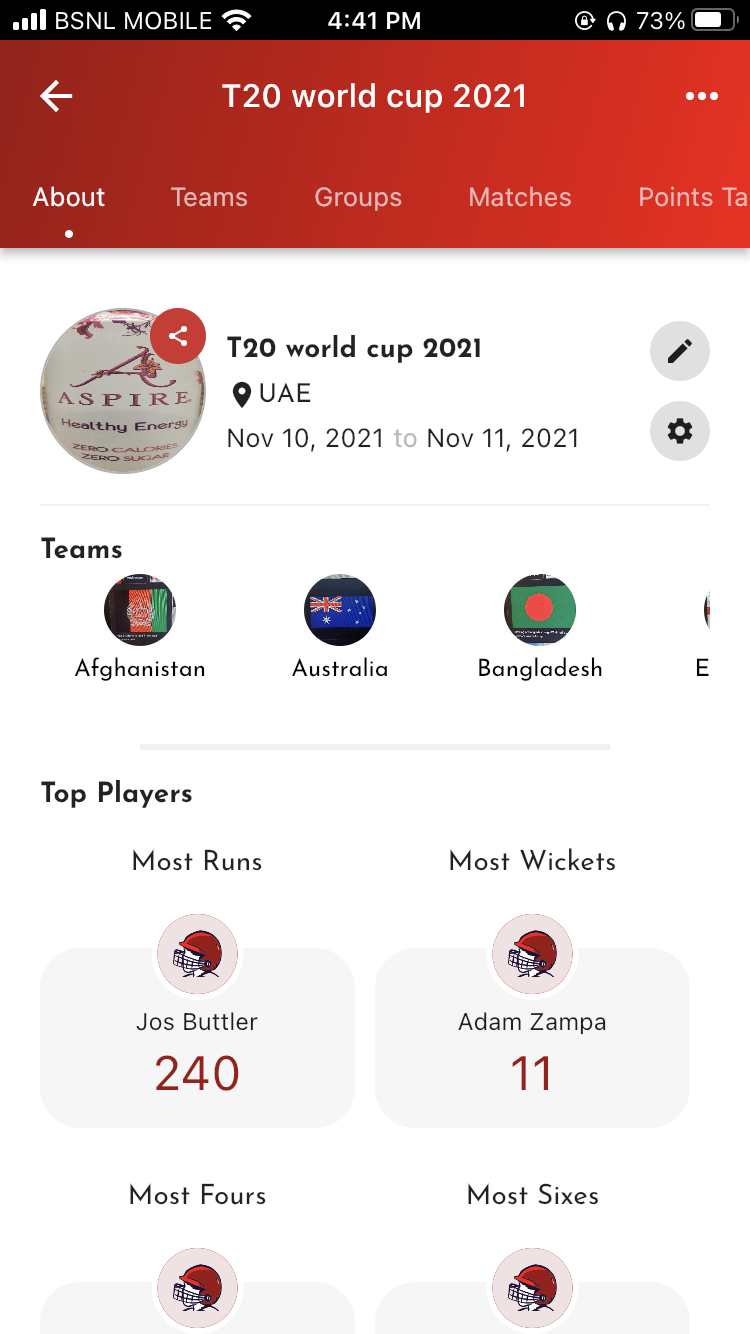
We are Vtrakit. We are about capturing and tracking every aspect of your game to help you make YOUR Cricket Count! Have a look at some of our exciting features.
For decades, the image of a veterinarian was narrowly defined: a skilled professional wielding a stethoscope, a scalpel, and a vial of vaccine. The focus was almost exclusively on the physiological—repairing the broken bone, curing the infection, and balancing the blood work. However, in the 21st century, a quiet but profound revolution is taking place in clinics and research labs worldwide. The frontier of veterinary science has expanded beyond cellular pathology to include the intricate, complex world of the mind.
As we move forward, the best veterinarians will not ask, "What is the disease?" They will first ask, "Who is the patient?" They will read the flick of the ear, the tension in the spine, and the pattern of the pacing. They will understand that behavior is not an annoyance to be sedated away; it is a diagnostic goldmine. Recopilacion Zoofilia Sexo Con Caballos
Conversely, a dog presented for "aggression" might actually be suffering from a painful dental abscess. The aggression is not malice; it is a protective response to anticipated pain. By combining orthopedic exams (veterinary science) with trigger analysis (animal behavior), the vet resolves the issue with an extraction, not euthanasia. The integration of behavior and medicine is not limited to dogs and cats. Production Animal Veterinary Science Dairy veterinarians once focused solely on mastitis and lameness. Now, they are trained in cow-calf behavior . A cow that isolates herself from the herd is not "antisocial"; she is likely in stage one of labor or suffering from hypocalcemia. A pig with repetitive bar-biting is not "vicious"; it is a clinical sign of environmental deprivation and gastric ulcers. Modern herd health protocols now include Environmental Enrichment Scores (EES) alongside somatic cell counts. Zoo and Conservation Medicine For endangered species, stress can mean extinction. Captive breeding programs for the California Condor or the Black-Footed Ferret rely entirely on animal behavior knowledge. Veterinarians must anesthetize a rhinoceros for a TB test without triggering capture myopathy (a metabolic disease caused by stress). This requires understanding the rhino’s flight distance, visual cues, and social hierarchy. Zoological veterinary science now employs "protected contact" methods, where animal behavior is shaped via positive reinforcement to allow voluntary blood draws and ultrasounds—no darting required. The Owner Factor: Bridging the Compliance Gap Perhaps the greatest challenge in veterinary medicine is not the disease, but the human. If a veterinarian prescribes a medical treatment that requires administering oral pills three times a day to a cat, and the owner cannot catch the cat because the cat hides in fear, the treatment fails. For decades, the image of a veterinarian was
To truly heal the animal, you must first listen to what the animal is saying without words. That is the new, and ancient, promise of integrated veterinary care. If you are a pet owner, look for a "Fear Free Certified" veterinary practice. If you are a student, take an ethology course alongside your anatomy class. The future of medicine is behavioral. The frontier of veterinary science has expanded beyond
The behavior—inappropriate elimination—is the symptom. The underlying cause may be physical or psychological, but often, it is both. By understanding the context (stress triggers, litter box aversions, social dynamics), the veterinarian can differentiate between a purely organic disease and a behavioral disorder with medical consequences. The Stress Barrier: How Fear Compromises Immunity One of the most critical lessons modern veterinary science has learned is that behavior equals physiology . Stress is not just an emotion; it is a biological cascade.
Today, the integration of into veterinary practice is no longer considered a niche specialty. It is the bedrock of effective diagnosis, humane treatment, and long-term wellness. To ignore behavior is to see only half the patient. This article explores how the marriage of ethology (the science of animal behavior) and clinical medicine is transforming everything from routine check-ups to wildlife conservation. The Diagnostic Window: Behavior as a Vital Sign In human medicine, a doctor asks, "Where does it hurt?" In veterinary science, the patient cannot speak. But they are communicating constantly. Every tail wag, ear flick, hiss, or feather ruffle is a stream of data.