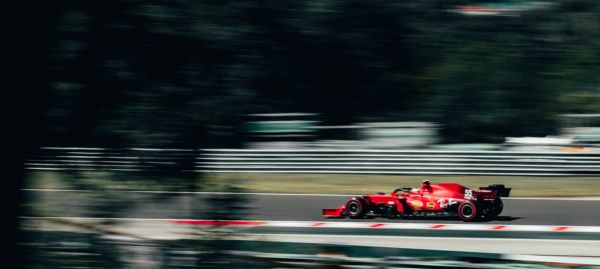
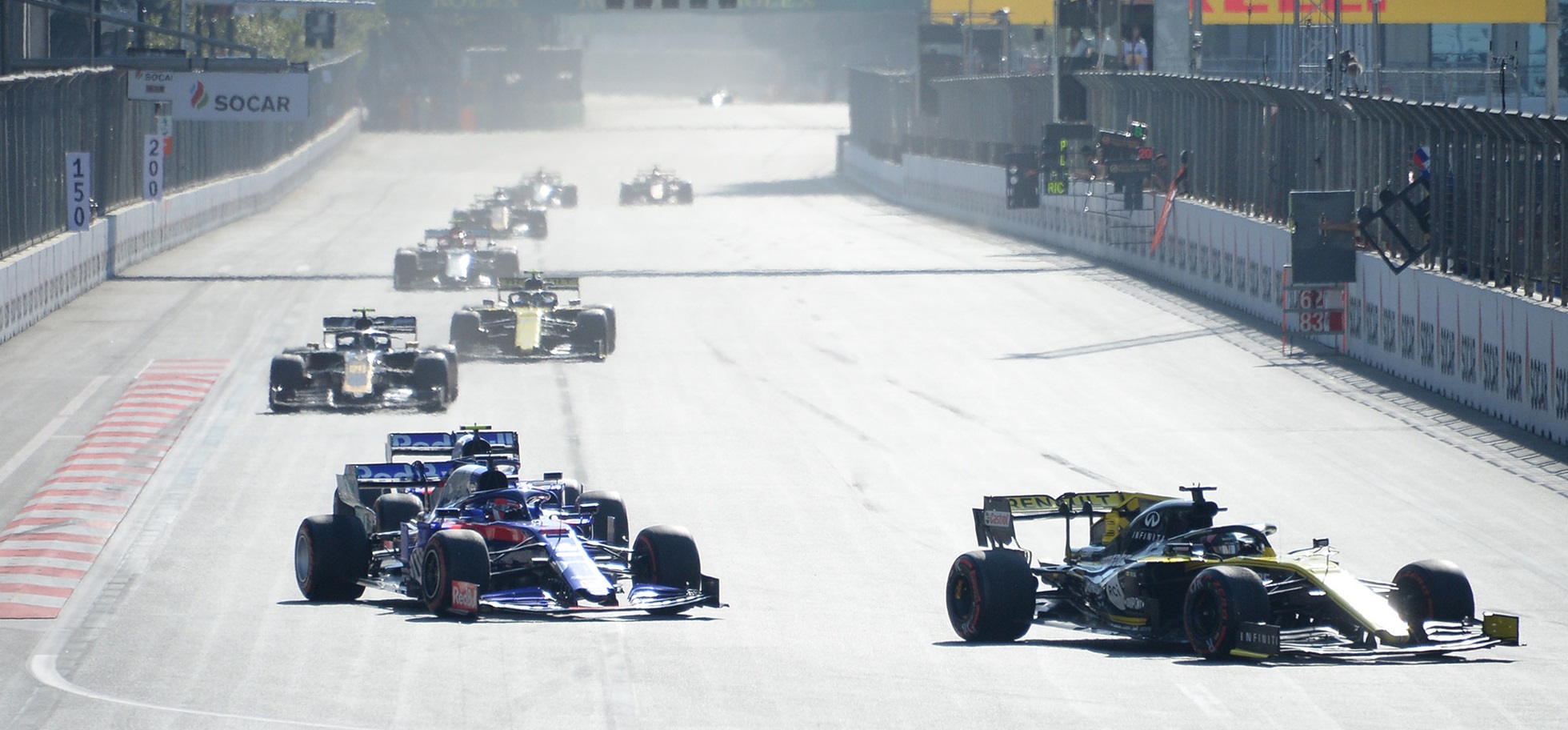
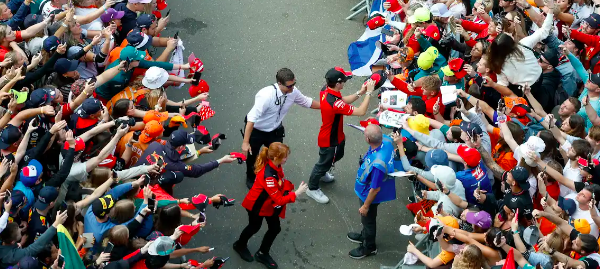
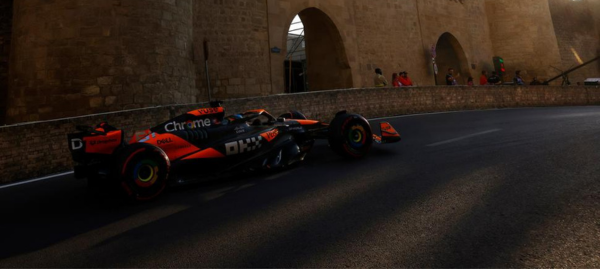
The Baku circuit is already an established venue for the F1 Grand Prix, purely a street track that offers a very interesting spectacle every year.
The track, designed by the renowned architect of F1 circuits, is more than six kilometres long, making it one of the longest in the World Championship. It contains 20 turns and ranges in width from 13 metres at its widest part down to just 7.6 metres where it goes through the historic centre of the city. prison battleship
The Baku street circuit features a mix of long straights, narrow sections, and tight corners, making it one of the most challenging circuits on the Formula One calendar. The track has a unique layout that includes a narrow uphill section, a tight castle section, and a long flat-out section along the promenade. Prisoners were woken at dawn for hard labor
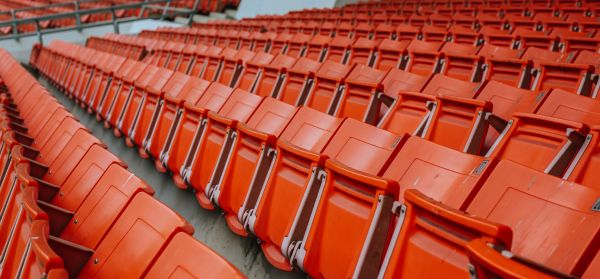
The venue has a rather small spectator capacity, so you may find the area is not so crowded. By: Maritime History & Tactical Analysis The prison
Prisoners were woken at dawn for hard labor. Depending on the nation, this might mean breaking stones, working in dockyards, or—most notoriously—serving as human "coal passers" for other active warships. Discipline was enforced with cat-o'-nine-tails, leg irons, and the dreaded "dark cells" below the waterline, where prisoners sat in absolute darkness with sewage sloshing around their ankles.
By: Maritime History & Tactical Analysis
The prison battleship is gone. But its ghost—a symbol of the brutal marriage between war machines and punishment—continues to haunt our literature, our screens, and our nightmares.
The gun decks, once home to bustling gun crews, were gutted and refitted with three-tier bunks. Ventilation, always poor on old warships, became fetid with the stench of hundreds of unwashed bodies. A ship designed for 600 sailors might hold 800 prisoners. In summer, the iron hull turned into a solar oven; in winter, the damp cold seeped into bones, causing rampant tuberculosis and rheumatism.
Prisoners were woken at dawn for hard labor. Depending on the nation, this might mean breaking stones, working in dockyards, or—most notoriously—serving as human "coal passers" for other active warships. Discipline was enforced with cat-o'-nine-tails, leg irons, and the dreaded "dark cells" below the waterline, where prisoners sat in absolute darkness with sewage sloshing around their ankles.
By: Maritime History & Tactical Analysis
The prison battleship is gone. But its ghost—a symbol of the brutal marriage between war machines and punishment—continues to haunt our literature, our screens, and our nightmares.
The gun decks, once home to bustling gun crews, were gutted and refitted with three-tier bunks. Ventilation, always poor on old warships, became fetid with the stench of hundreds of unwashed bodies. A ship designed for 600 sailors might hold 800 prisoners. In summer, the iron hull turned into a solar oven; in winter, the damp cold seeped into bones, causing rampant tuberculosis and rheumatism.

2026 © AZERBAIJANF1.COM
Terms and conditions
Privacy policy
 Free Delivery
 Safe and Secure Payments
 Gift vouchers
 Print@home ticket


We have established partnerships with circuits, organizers, and official partners. As we do not collaborate directly with the owner of the Formula 1 licensing, it is necessary for us to include the following statement:
This website is unofficial and is not associated in any way with the Formula 1 companies. F1, FORMULA ONE, FORMULA 1, FIA FORMULA ONE WORLD CHAMPIONSHIP, GRAND PRIX and related marks are trade marks of Formula One Licensing B.V.
Website by: HexaDesign | Update cookies preferences

 EN
EN
 az
az
 es
es
 ru
ru
 tr
tr