The advent of digital technology has revolutionized the entertainment and media content industry. The rise of the internet, social media, and mobile devices has enabled consumers to access a vast array of content from anywhere, at any time. The digital revolution has democratized content creation and distribution, allowing anyone to create and share content with a global audience.
The evolution of entertainment and media content has significant implications for content creators. With the rise of digital platforms and social media, content creators have more opportunities than ever to reach a global audience. However, the increased competition and changing business models also present challenges.
In the past, entertainment and media content was primarily delivered through traditional channels such as television, radio, and print media. The content was created and distributed by a select few, and consumers had limited choices. The television industry was dominated by a few major networks, and viewers were restricted to a limited number of channels. Similarly, the music industry was controlled by record labels, and consumers could only access music through physical albums or radio broadcasts.
The proliferation of online platforms such as YouTube, Netflix, and Spotify has transformed the way we consume entertainment and media content. These platforms have given consumers the power to choose what they want to watch, listen to, or read, and when they want to access it. The traditional models of content distribution have been disrupted, and new business models have emerged to take their place.
As the industry continues to evolve, content creators must adapt to the changing landscape by developing new skills, creating engaging content, building a personal brand, and diversifying revenue streams. The future of entertainment and media content is likely to be shaped by personalization, immersive experiences, social media integration, niche content, and new monetization models.
Layarxxi.pw.asada.himari.playing.jav.porn.uncen... Today
The advent of digital technology has revolutionized the entertainment and media content industry. The rise of the internet, social media, and mobile devices has enabled consumers to access a vast array of content from anywhere, at any time. The digital revolution has democratized content creation and distribution, allowing anyone to create and share content with a global audience.
The evolution of entertainment and media content has significant implications for content creators. With the rise of digital platforms and social media, content creators have more opportunities than ever to reach a global audience. However, the increased competition and changing business models also present challenges.
In the past, entertainment and media content was primarily delivered through traditional channels such as television, radio, and print media. The content was created and distributed by a select few, and consumers had limited choices. The television industry was dominated by a few major networks, and viewers were restricted to a limited number of channels. Similarly, the music industry was controlled by record labels, and consumers could only access music through physical albums or radio broadcasts.
The proliferation of online platforms such as YouTube, Netflix, and Spotify has transformed the way we consume entertainment and media content. These platforms have given consumers the power to choose what they want to watch, listen to, or read, and when they want to access it. The traditional models of content distribution have been disrupted, and new business models have emerged to take their place.
As the industry continues to evolve, content creators must adapt to the changing landscape by developing new skills, creating engaging content, building a personal brand, and diversifying revenue streams. The future of entertainment and media content is likely to be shaped by personalization, immersive experiences, social media integration, niche content, and new monetization models.







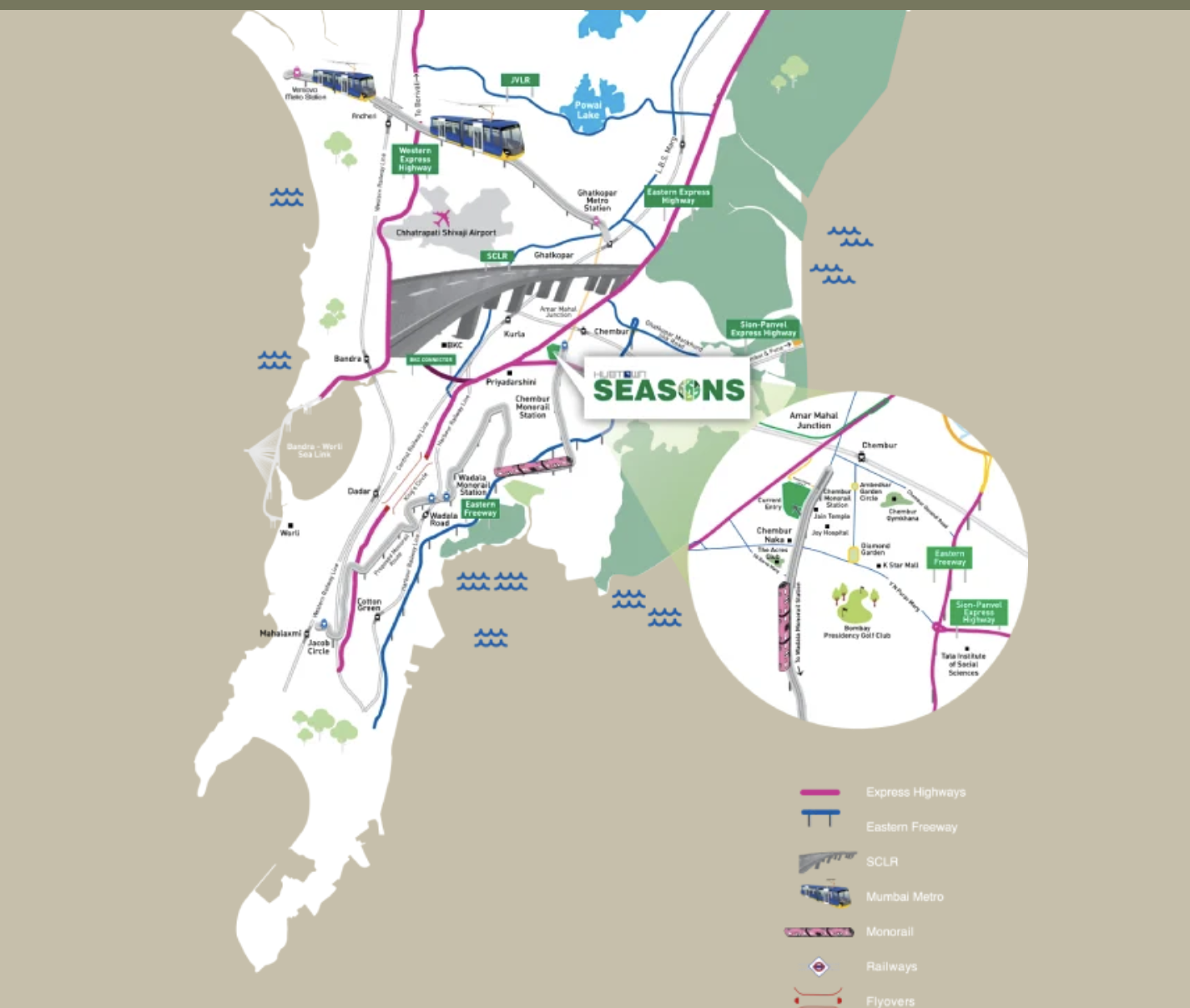

Connectivity
15 Minutesto BKC via BKC Connector
30 Minutesto Andheri via Mumbai Metro
30 Minutesto International Airport via Mumbai Metro
25 Minutesto Domestic Airport via SCLR
25 Minutesto Worli via Sea Link
30 Minutesto Mahalaxmi Racecourse via Monorail
35 Minutesto Thane via Eastern Express Highway
25 Minutesto Vashi via Sion Panvel Highway