Heyzo 0415 Aino Nami Jav Uncensored Repack Info

To understand anime, you must understand its painful economics. Unlike American animation (Disney, Pixar), most anime is produced by a "Production Committee"—a consortium of investors (publishers, toy companies, music labels, TV stations). This system spreads risk but keeps animators poor. Animators are famously underpaid, surviving on passion (and low-cost ramen). The system prioritizes quantity over quality, resulting in a seasonal churn of 40+ new shows every three months.

This article explores the historical roots, current landscape, and unique cultural philosophies that make the Japanese entertainment industry a paradox—simultaneously insular and universally appealing, deeply traditional and radically futuristic. Before the J-Pop idol or the samurai epic, there was Kabuki. Originating in the early 17th century, Kabuki is the bedrock of Japanese performance culture. Characterized by its stylized drama, elaborate makeup (kumadori), and the onnagata (male actors playing female roles), Kabuki established principles that still resonate today: the suspension of reality, the appreciation of form over photorealism, and the concept of "mie" (a powerful pose struck by the actor to highlight a climactic moment).

On the female side, producer Akimoto Yasushi revolutionized the industry with AKB48. Instead of a distant stadium act, AKB48 performed daily at their own theater in Akihabara. The concept was "idols you can meet." The business model, however, was ingenious and brutal: CDs contain voting tickets for a "General Election" determining the next single’s center position. Fans buy hundreds of CDs to vote their favorite member to the top. This commodification of fandom turned consumption into a competitive sport. heyzo 0415 aino nami jav uncensored repack

For decades, Japanese game culture was synonymous with high-polish, single-player experiences: Final Fantasy , Dragon Quest , Resident Evil . Even today, a "Japanese game" implies a certain attention to UI design, music composition (by legends like Nobuo Uematsu or Koji Kondo), and narrative whimsy.

While the West plays on Xbox/PC, Japan plays on mobile. The dominant model is "Gacha" (named after toy vending machines). Games like Fate/Grand Order and Genshin Impact (China’s successful export of a Japanese-style game) generate billions by using slot-machine mechanics to unlock rare characters. For better or worse, this has normalized gambling for cosmetics in the global gaming lexicon. The Unique Ecosystem of Talent Management One cannot understand Japanese entertainment without addressing the "Jimusho" (talent agency) system. In Hollywood, agents work for the talent. In Japan, the talent works for the agency. To understand anime, you must understand its painful

While Western animation is largely synonymous with children’s comedy, anime covers every genre: psychological horror ( Monster ), sports ( Haikyuu!! ), finance ( Crayon Shin-chan honestly, watch the adult episodes), and philosophical sci-fi ( Ghost in the Shell ). This diversity creates hyper-loyal subcultures.

Less glamorous but economically massive is Pachinko. These vertical pinball machines are technically gambling (though prizes are exchanged for tokens via off-site "windows"). The pachinko industry is worth billions, often run by families tied to the entertainment conglomerates. Stroll through any Japanese suburb, and you will hear the deafening roar of steel balls cascading through machines adorned with Evangelion or Hokuto no Ken branding. Animators are famously underpaid, surviving on passion (and

Parallel to Kabuki is Rakugo (comic storytelling) and Noh (musical drama). These traditional arts taught generations of Japanese audiences to appreciate nuance, timing, and the power of the voice. When you watch a modern Japanese variety show host react with exaggerated shock, or an anime voice actor transition from whisper to scream, you are watching the ghost of Kabuki. The DNA of these rigorous, codified performance arts runs directly through the modern entertainment industry. For decades, the gatekeepers of Japanese entertainment were the major networks: NHK (public broadcaster), Nippon TV, TBS, Fuji TV, and TV Asahi. Unlike the Western model where streaming dethroned cable, in Japan, terrestrial television remains a resilient colossus.

To understand anime, you must understand its painful economics. Unlike American animation (Disney, Pixar), most anime is produced by a "Production Committee"—a consortium of investors (publishers, toy companies, music labels, TV stations). This system spreads risk but keeps animators poor. Animators are famously underpaid, surviving on passion (and low-cost ramen). The system prioritizes quantity over quality, resulting in a seasonal churn of 40+ new shows every three months.

This article explores the historical roots, current landscape, and unique cultural philosophies that make the Japanese entertainment industry a paradox—simultaneously insular and universally appealing, deeply traditional and radically futuristic. Before the J-Pop idol or the samurai epic, there was Kabuki. Originating in the early 17th century, Kabuki is the bedrock of Japanese performance culture. Characterized by its stylized drama, elaborate makeup (kumadori), and the onnagata (male actors playing female roles), Kabuki established principles that still resonate today: the suspension of reality, the appreciation of form over photorealism, and the concept of "mie" (a powerful pose struck by the actor to highlight a climactic moment).

On the female side, producer Akimoto Yasushi revolutionized the industry with AKB48. Instead of a distant stadium act, AKB48 performed daily at their own theater in Akihabara. The concept was "idols you can meet." The business model, however, was ingenious and brutal: CDs contain voting tickets for a "General Election" determining the next single’s center position. Fans buy hundreds of CDs to vote their favorite member to the top. This commodification of fandom turned consumption into a competitive sport.

For decades, Japanese game culture was synonymous with high-polish, single-player experiences: Final Fantasy , Dragon Quest , Resident Evil . Even today, a "Japanese game" implies a certain attention to UI design, music composition (by legends like Nobuo Uematsu or Koji Kondo), and narrative whimsy.

While the West plays on Xbox/PC, Japan plays on mobile. The dominant model is "Gacha" (named after toy vending machines). Games like Fate/Grand Order and Genshin Impact (China’s successful export of a Japanese-style game) generate billions by using slot-machine mechanics to unlock rare characters. For better or worse, this has normalized gambling for cosmetics in the global gaming lexicon. The Unique Ecosystem of Talent Management One cannot understand Japanese entertainment without addressing the "Jimusho" (talent agency) system. In Hollywood, agents work for the talent. In Japan, the talent works for the agency.

While Western animation is largely synonymous with children’s comedy, anime covers every genre: psychological horror ( Monster ), sports ( Haikyuu!! ), finance ( Crayon Shin-chan honestly, watch the adult episodes), and philosophical sci-fi ( Ghost in the Shell ). This diversity creates hyper-loyal subcultures.

Less glamorous but economically massive is Pachinko. These vertical pinball machines are technically gambling (though prizes are exchanged for tokens via off-site "windows"). The pachinko industry is worth billions, often run by families tied to the entertainment conglomerates. Stroll through any Japanese suburb, and you will hear the deafening roar of steel balls cascading through machines adorned with Evangelion or Hokuto no Ken branding.

Parallel to Kabuki is Rakugo (comic storytelling) and Noh (musical drama). These traditional arts taught generations of Japanese audiences to appreciate nuance, timing, and the power of the voice. When you watch a modern Japanese variety show host react with exaggerated shock, or an anime voice actor transition from whisper to scream, you are watching the ghost of Kabuki. The DNA of these rigorous, codified performance arts runs directly through the modern entertainment industry. For decades, the gatekeepers of Japanese entertainment were the major networks: NHK (public broadcaster), Nippon TV, TBS, Fuji TV, and TV Asahi. Unlike the Western model where streaming dethroned cable, in Japan, terrestrial television remains a resilient colossus.

ようこそ
BIOHAZARD PORTALへ!

「バイオハザード ポータル」とは、バイオハザードの最新情報はもちろん、バイオハザードファンもまだそうでない方でも楽しめるさまざまなコンテンツや、世界中のバイオハザードプレイヤーのデータなどをお届けする「バイオハザード」のブランドサイトです。
CAPCOM IDでログインして全てのコンテンツを楽しもう! 今すぐ登録!

BIOHAZARD PORTAL

サイト統合、認証システム変更について

本サイトは、BIOHAZARDシリーズ公式サイト、BIOHAZARD CLUB96、 BIOHAZARD AMBASSADOR PROGRAM、
RESIDENT EVIL.NET、RESIDENT EVIL PORTALのサイトを統合しております。

本サイトについて

通信エラーが発生しました (エラーコード: UAP0001)

Safariをご利用の方へ
ご利用のブラウザがSafariの場合、"バイオハザードアンバサダープログラム"が
正常に動作しない可能性があります。
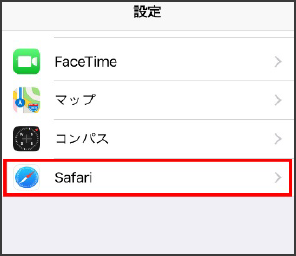
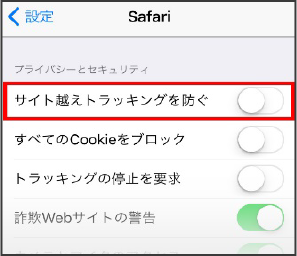
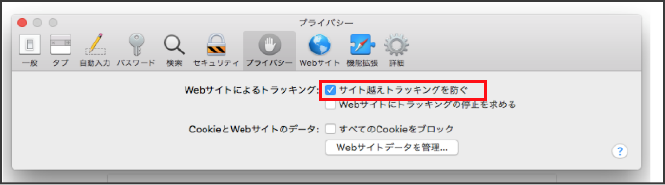
その際は、以下のいずれかの方法にてご利用願います。