
3gp Sex Tante Vs Anak Kecil Extra Quality -
— Dr. Muzio
Programa de Cirugía Bariátrica y MetabólicaCONTACTANOS
Acordamos fecha de cirugía en tu primera consulta.
Acordamos fecha de cirugía en tu primera consulta.
 mejorando la calidad de vida
  de nuestros pacientes.


Es la cirugía que permite lograr un descenso de peso exitoso y sostenido a largo plazo además de corregir las enfermedades asociadas a la obesidad, como diabetes tipo 2, hipertensión arterial, lípidos elevados, hígado graso y apneas entre otras.

La cirugía metabólica persigue objetivos independientes del descenso de peso. Puede lograr la resolución o mejora significativa de la Diabetes tipo 2 y otras enfermedades relacionadas que constituyen el Síndrome metabólico.

Todos nuestros procedimientos se realizan a través de pequeñas incisiones constituyendo una cirugía mini invasiva, con poco o ningún dolor, rápida recuperación y retorno a sus actividades sociales y laborales, logrando además, un resultado estético importante.
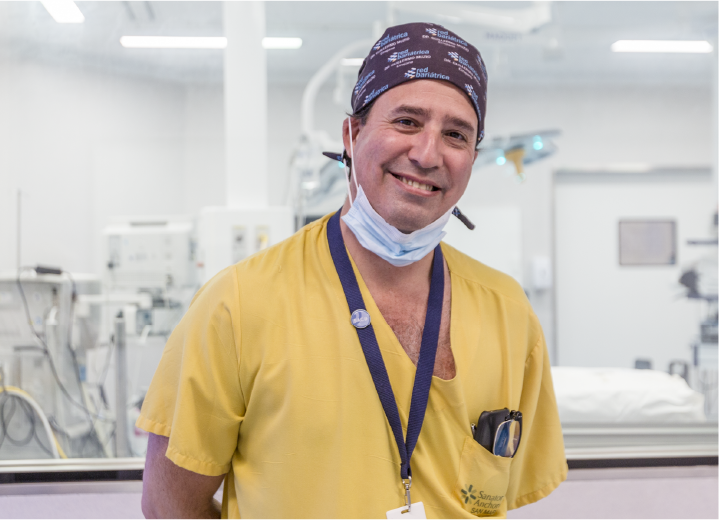


Con mas de 8000 cirugías realizadas, desde su formación en Europa y la participación en los grupos más destacados de la especialidad en el país, el Dr. Guillermo Muzio acumuló una vasta experiencia en el campo de la cirugía bariátrica y metabólica por vía laparoscópica.
Ello le ha permitido desarrollar un programa de tratamiento de la obesidad y enfermedades relacionadas como la diabetes tipo 2, conformando un grupo de profesionales de distintas disciplinas afines, creando así una ámplia red bariátrica.
 Cirugía
Nutrición
Psicología
Neumonología
Clínica Médica
Diabetología
Cardiología
Gastroenterología
Cirugía
Nutrición
Psicología
Neumonología
Clínica Médica
Diabetología
Cardiología
Gastroenterología
 +8000
+8000
Procedimientos
realizados
 +20
+20
Años de
experiencia
 +20
+20
Profesionales
en red





Según la OMS (Organización Mundial de la Salud), la obesidad y el sobrepeso se definen como una acumulación anormal o excesiva de grasa perjudicial para la salud. Esta condición crónica puede generar la aparición de otras enfermedades llamadas comorbilidades.
Ahora bien, esto no significa que todas las personas con sobrepeso u obesidad sean candidatas a resolver su problema de salud con una cirugía.
Clásicamente se ha utilizado el IMC (Índice de Masa Corporal) que es el peso de una persona en kilogramos dividido por el cuadrado de la talla en metros, para determinar la gravedad del sobrepeso y con ello el criterio de cirugía.
Es decir, una persona con un IMC igual o superior a 40 era considerada con Obesidad Mórbida y con un IMC entre 35 y 39,9 con comorbilidades, con Obesidad Severa. Ambos grupos tenían indicación de realizarse una cirugía bariátrica para resolver su sobrepeso/obesidad y mejorar o evitar las comorbilidades.
Actualmente este paradigma ha cambiado en favor de atender más las enfermedades asociadas a la obesidad que incluso pueden ser muy graves como la Diabetes, la Hipertensión Arterial, la Esteatohepatitis no alcohólica o el Síndrome de Apneas del sueño para citar las más invalidantes, y relacionarlas con la historia vital del paciente, sus fracasos dietarios y su herencia genética, para definir la indicación de una cirugía bariátrica y metabólica.
When written with nuance, it is a powerful vehicle for exploring ageism, female desire, and the artificial fences we build around love. When written poorly, it is a cautionary tale of blurred lines.
This article unpacks the psychology, the cultural nuances, and the narrative mechanics of the "Tante vs Anak" romantic storyline—from its roots in classical literature to its modern, often problematic, incarnations in soap operas, web novels, and fan fiction. First, a crucial clarification. In the context of these romantic storylines, "Tante" and "Anak" rarely refer to literal blood relatives. Incest narratives exist but occupy a far darker, more niche corner of fiction. Instead, the Tante is a social or affectionate aunt: a close family friend, an older neighbor, an employer, or a godmother. The Anak is the younger man—often the son of a friend, a nephew by circumstance, or a protégé. The Tante: Experience, Stability, and Hidden Loneliness The archetypal Tante is in her late 30s to early 50s. She is established: financially secure, emotionally intelligent (on the surface), and sexually confident. She has likely experienced failed marriages, absent husbands, or has dedicated her life to career or family to the point of personal emptiness. Her home is neat, her advice is sought after, and her touch is seen as maternal—until it isn't. 3gp sex tante vs anak kecil extra quality
This is not merely a story of age-gap romance. It is a labyrinth of power, loyalty, lust, and betrayal. When a storyline pivots from familial respect to forbidden desire, it forces both characters and readers to confront uncomfortable questions: Where is the line between care and possession? Can love truly bloom in the wreckage of a guardian-ward dynamic? And why are we, as an audience, so irresistibly drawn to watch it burn? When written with nuance, it is a powerful
The most forbidden fruit always tastes the sweetest. Do you have a Tante vs Anak storyline in your own writing? Share your approach to the power dynamic in the comments below. First, a crucial clarification
In the vast landscape of romantic fiction, certain archetypes possess an enduring, almost primal power. The "enemies to lovers" trope thrills us. The "friend zone" narrative tugs at our heartstrings. But few dynamics generate as much electric tension, moral ambiguity, and sheer narrative heat as the relationship between a Tante (an Indonesian/Malay term for aunt, or more broadly, an older, maternal figure) and an Anak (child or younger, often male, figure).
For writers brave enough to approach this trope: do not shy away from the ick. Lean into the discomfort. Make your Tante complex—sometimes wise, sometimes foolish. Make your Anak hungry, but also confused. And never, ever let them forget that they were never supposed to happen. Because that, right there, is the secret.
Her primary narrative function is . She stands in opposition to the Anak's peers—young women her age who lack her patience, her depth, or her "wisdom." But her vulnerability is loneliness. When the Anak begins to see her not as a caretaker but as a woman, he awakens a hunger she had long buried. The Anak: Rage, Ambition, and the Oedipal Shadow The Anak is typically in his late teens to mid-20s. He is often wounded: orphaned, abandoned by a distant mother, or crushed by a domineering father. He radiates a volatile mix of youthful arrogance and desperate need for validation. The Tante represents safety, comfort, and unconditional positive regard—everything he lacked.
Si estás fuera de Argentina,
tenemos un programa desarrollado
exclusivamente para ti.
Solo vienes para tu cirugía.
Optimizamos tus recursos.

Red Bariátrica viene atendiendo a pacientes del Interior de nuestro país y a extranjeros con gran éxito desde su misma creación por lo tanto está en su esencia.
No solo los pacientes de países limítrofes están en búsqueda de un programa quirúrgico de excelencia sino también pacientes de los Estados Unidos y Europa.
Gracias a la plataforma online que poseemos,
hemos logrado una adecuada preparación multidisciplinaria en forma digital para que el paciente pueda llegar a la cirugía de manera óptima y en los tiempos acordados.
Para ello es aún más importante poder definir una fecha de cirugía con mucha anticipación a fin de organizar el viaje a Buenos Aires.
No duden en consultar con nuestro departamento de Turismo médico en Red Bariátrica.







Clínica Caram San Miguel
Maestro Ángel D'Elía 1530 | San Miguel, Buenos Aires.
Consultorios Médicos Botánico
Av. Scalabrini Ortiz 2356, 3ro. A | CABA.
Consultas virtuales.